
Otosclerosis, a condition characterized by abnormal bone growth in the middle ear, is a leading cause of hearing loss, particularly among young adults. While it can significantly impact a person’s quality of life, medical advancements have paved the way for effective treatment options, one of which is stapedectomy. This surgical procedure has been instrumental in restoring hearing for countless individuals affected by otosclerosis. In this comprehensive guide, we will delve into the intricacies of otosclerosis, the role of stapedectomy in its treatment, the procedure itself, and what patients can expect during the recovery phase.
Understanding Otosclerosis
Otosclerosis is a condition in which abnormal bone growth occurs around the stapes bone, one of the tiny bones in the middle ear. This can interfere with the normal transmission of sound, leading to varying degrees of hearing loss. While the exact cause of otosclerosis remains unknown, genetic predisposition and certain risk factors, such as viral infections, have been implicated in its development.
The Impact of Otosclerosis on Hearing
Individuals with otosclerosis often experience gradual hearing loss, which can manifest as difficulty hearing low-pitched sounds or conversations in noisy environments. Tinnitus, a persistent ringing or buzzing in the ears, can also accompany otosclerosis, causing additional distress and discomfort.
 Role of Stapedectomy in Treating Otosclerosis
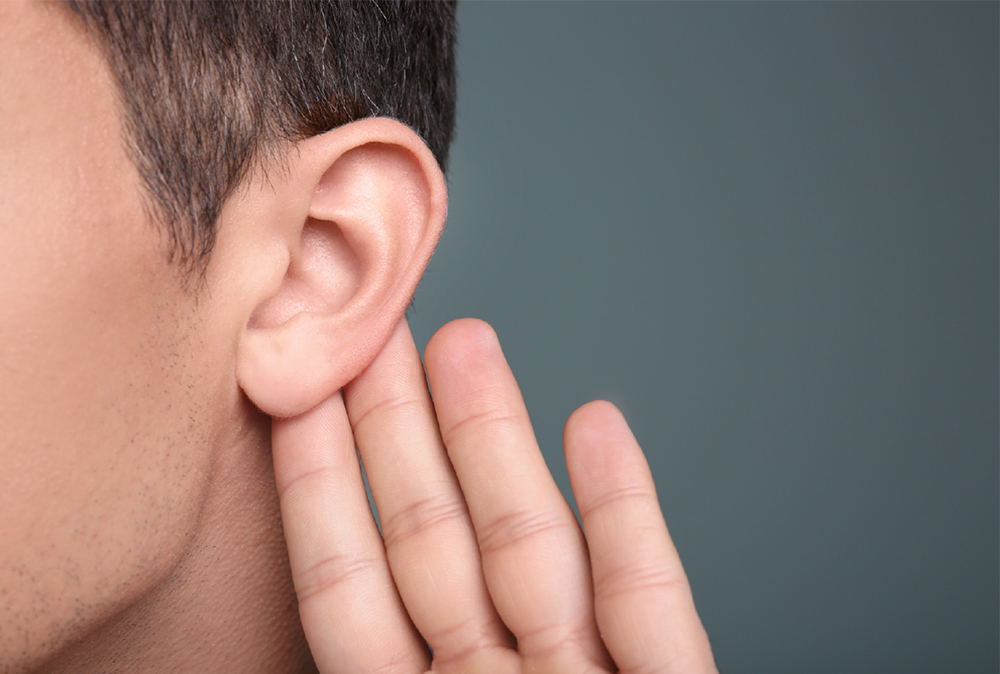
Stapedectomy, a surgical procedure performed under general anesthesia, involves the removal of a portion of the stapes bone and its replacement with a prosthetic device. This prosthetic implant bypasses the immobilized stapes, allowing sound to be transmitted effectively to the inner ear. Stapedectomy is typically recommended for patients with advanced otosclerosis who have not responded well to other treatment modalities, such as hearing aids.
The Stapedectomy Procedure
- Pre-operative Evaluation: Prior to the surgery, a comprehensive evaluation, including audiological assessments and imaging tests, is conducted to determine the extent of hearing loss and the suitability of the patient for the procedure.
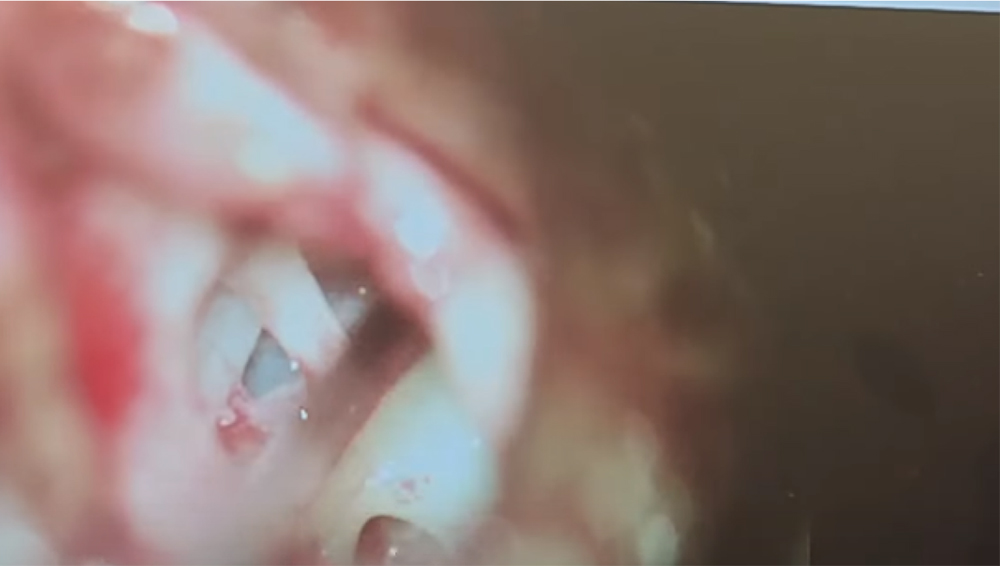
- Surgery: During the surgery, the surgeon gains access to the middle ear through the ear canal or behind the ear. The stapes bone is carefully removed, and the prosthesis is delicately positioned to restore the transmission of sound waves.
- Post-operative Care: Following the procedure, patients are closely monitored for any signs of complications, and they are provided with detailed instructions for post-operative care, including ear protection and follow-up appointments.
Recovery and Rehabilitation
The recovery period after stapedectomy is crucial for the success of the procedure. Patients are advised to avoid strenuous activities and to protect their ears from water and loud noises. Gradually, as the healing progresses, patients will notice improvements in their hearing, although it may take some time for the full benefits of the surgery to become apparent.
Life After Stapedectomy
Stapedectomy can be life-changing for individuals affected by otosclerosis, as it not only restores hearing but also improves overall quality of life. With the ability to hear more clearly, patients can actively engage in conversations, enjoy music, and experience the subtle sounds of nature, enhancing their emotional well-being and social interactions.
Conclusion
Stapedectomy has emerged as a highly effective treatment option for otosclerosis, providing hope and renewed hearing for those affected by this condition. While the decision to undergo surgery is a significant one, the potential benefits, including improved hearing and an enhanced quality of life, make it a compelling choice for many. As with any medical procedure, it is essential for patients to consult with an experienced ENT specialist to determine the most suitable course of action. With the advancements in stapedectomy techniques and ongoing research, the future looks promising for individuals with otosclerosis, offering a world of sound and possibility.
WATCH VIDEO
CONTACT
Dr Tushar Kanti Ghosh is a reputed & award winning ENT surgeon in East India. He has 20+ years of experience and has done 35,000 ENT surgeries/ procedures successfully. Over 4,00,000+ ENT patients were treated by him. He is Director & Chief Surgeon of Ghosh ENT Foundation, Salt Lake, Kolkata. For more info, Call +91 93305 46135 or Visit website: www.entkolkata.com
Keywords
#Otosclerosis#Stapedectomy surgery
#Otosclerosis treatment options
#Stapedectomy recovery
#Hearing loss due to otosclerosis
#Otosclerosis surgery
#Stapes bone surgery
#Otosclerosis symptoms
#Stapedectomy procedure
#Stapedotomy
#Otosclerosis causes
#Stapedectomy success rate
#Conductive hearing loss treatment
#Stapedectomy complications
#Otosclerosis and hearing aids
#Stapedectomy cost
#Otosclerosis diagnosis
#Stapedectomy alternatives
#Stapedectomy risks
#Otosclerosis research advancements
#drtusharkantighosh
#drtkghosh
#entsurgeoninkolkata
#entsurgeoninbengal
#entsurgeoninindia
#bestentsurgeon
#bestenthospital
#affordableentsurgery